What is a durag?
Meaning, what it’s used for and how it works
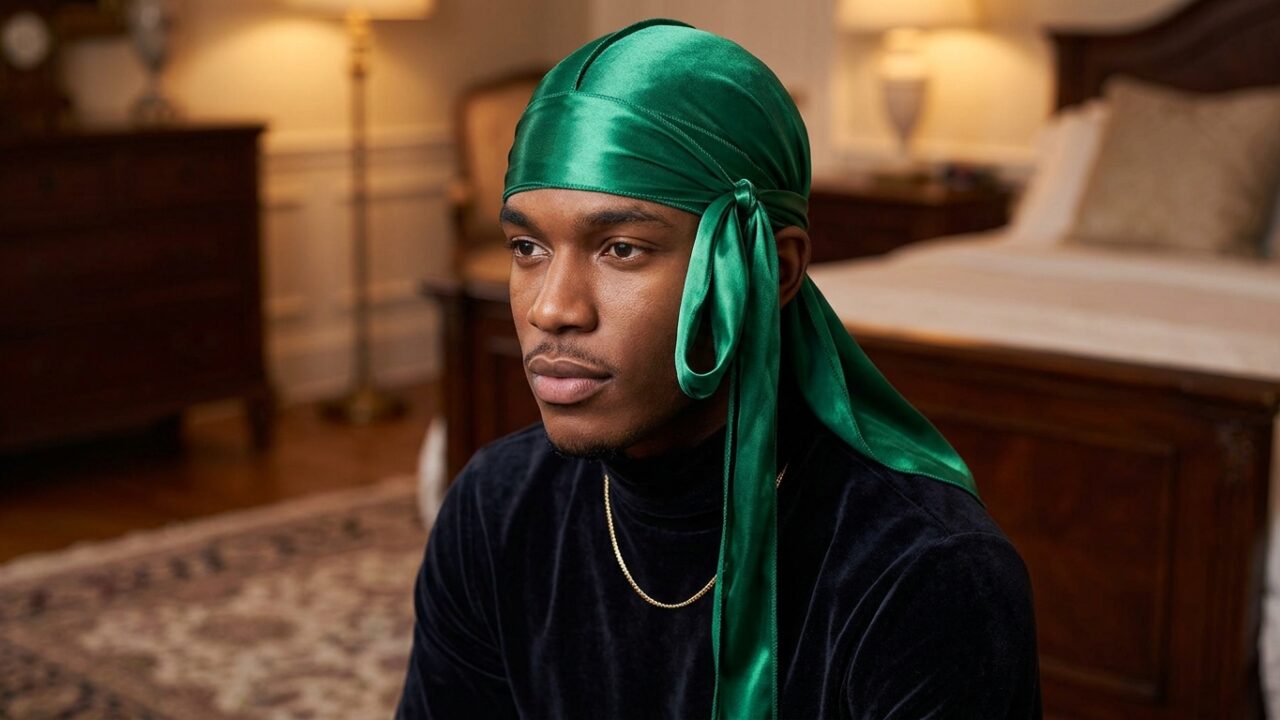
A durag is a cloth cap with two long ties that you knot at the back of your head. People wear it to hold hair flat, protect a hairstyle and set waves. That’s the short answer. The rest of this guide covers what the word means, what a durag does for different hair types, what to watch out for, and how it compares with a wave cap or a bonnet.
What is a durag?
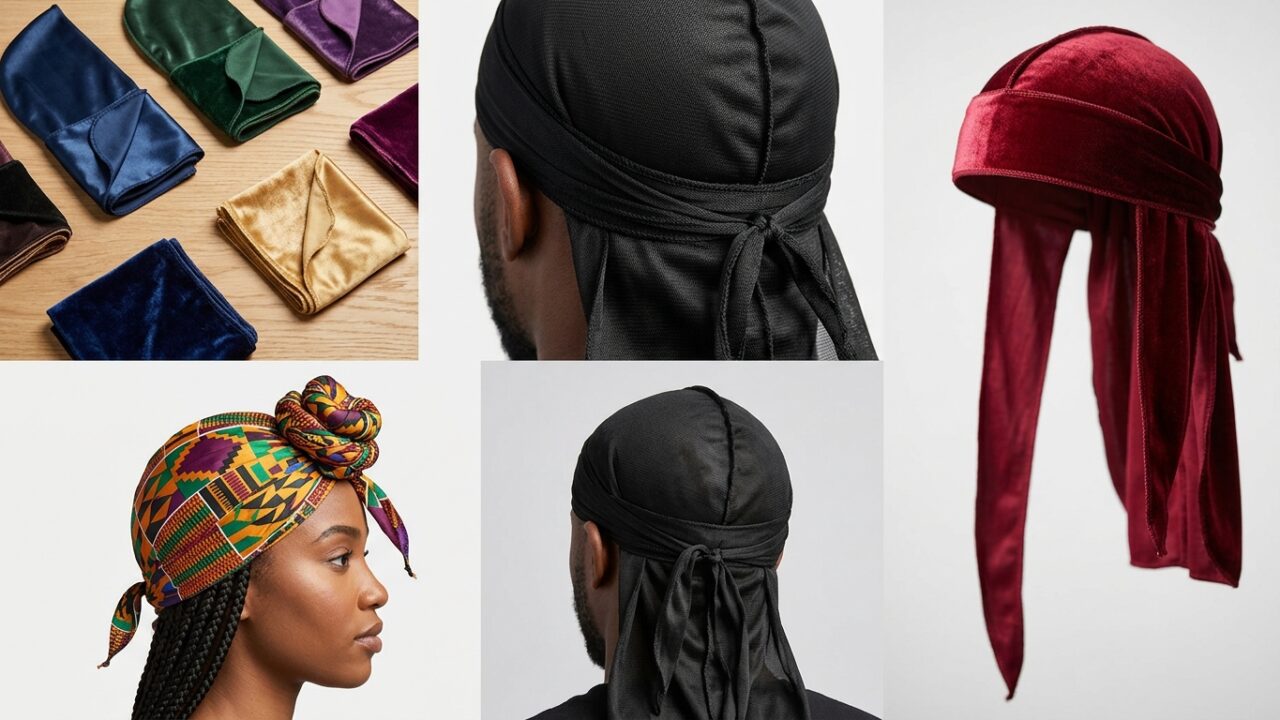
A durag has a cap that covers the top and back of your head and two tails that tie it in place. The cap is usually satin, a silky polyester or velvet. The tails come short or long. Short tails tie off once at the back, and long tails let you wrap the durag around your head a second time for a firmer hold.
The whole point of the shape is pressure. A durag sits against your hair and holds it in the direction you brushed it, which is why it’s so common on short, curly and coily hair.
What does durag mean?
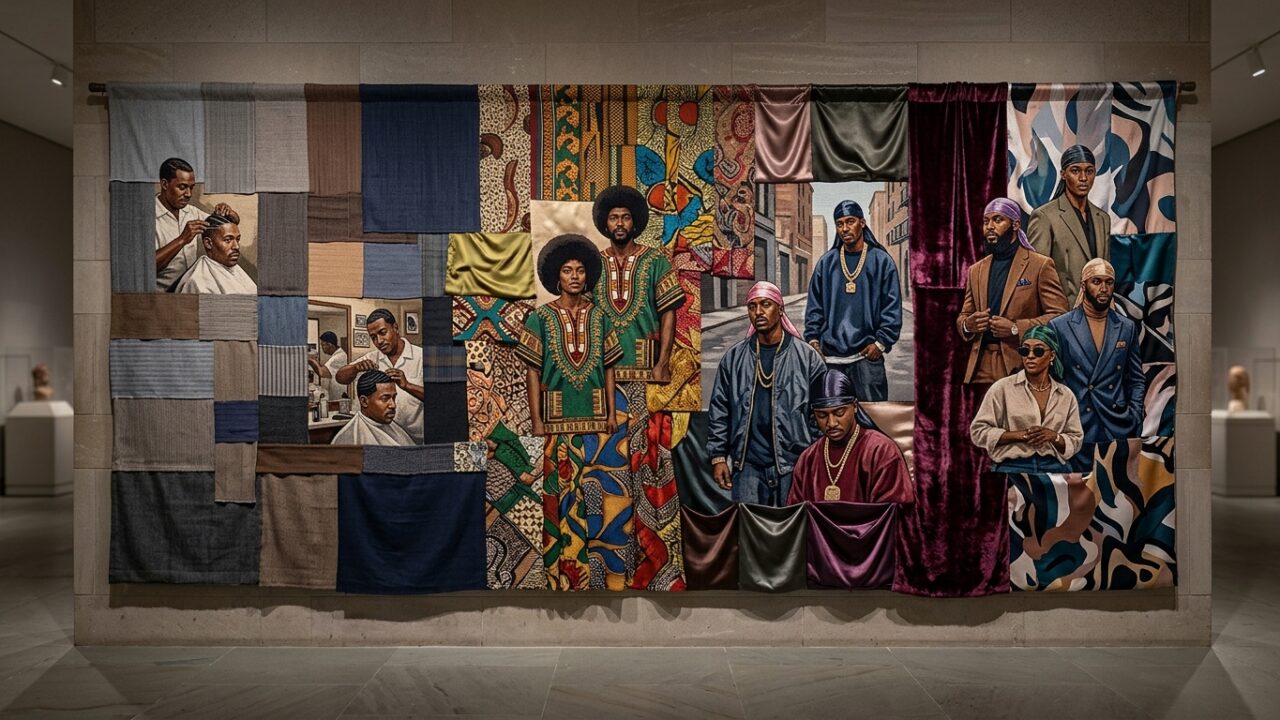
Durag is one spelling of a word that also appears as do-rag, du-rag and doo-rag. Most sources read the “do” as short for hairdo, so a do-rag is a rag for your do. One other explanation spells it dew-rag, as in sweat. According to a 2018 New York Times piece by Sandra E. Garcia, Merriam-Webster dates the earliest use of do-rag to 1968. Head coverings like it are much older, and the history of the durag goes through that in detail.
What is a durag used for?
Setting waves
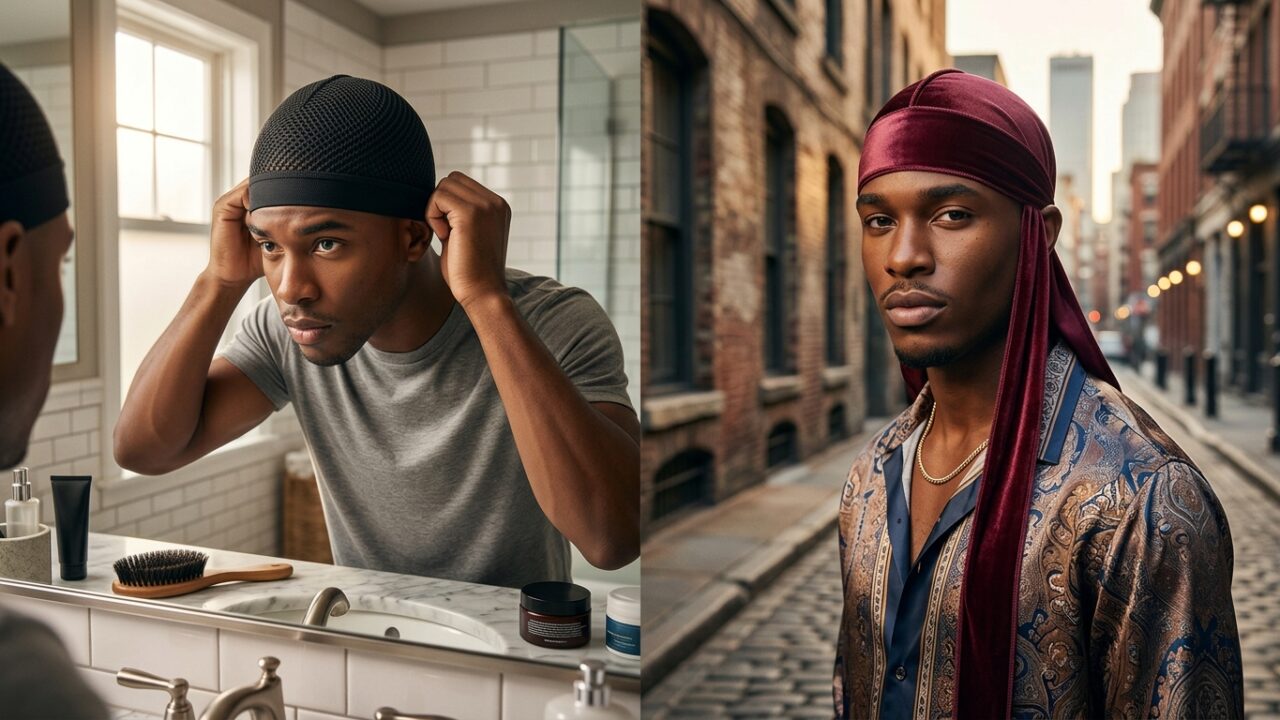
You brush your hair into a wave pattern, put the durag on, and it keeps the hair pressed that way while you go about your day. Do that every day and after a few weeks to a couple of months, depending on your hair, the pattern starts to stay on its own. A durag alone won’t give you waves, though. You need short hair, a brush, some moisture and patience.
Protecting a style
A fresh retwist or a new set of braids looks good for about a day if wind, a hat and a pillow get to it. A durag over the top keeps flyaways down and the style neat for longer.
Cutting friction
Cotton soaks up moisture and rubs against your hair, especially when you sleep. Satin and velvet don’t pull on hair the same way. For sleeping a bonnet is usually more comfortable because there’s no knot to lie on, but plenty of people sleep in a durag anyway.
Keeping product on your hair
Oil, pomade and leave-in conditioner stay on your hair instead of ending up on your pillow or the inside of a hat. Some people also wear one under a motorcycle helmet to deal with sweat, or under a cap so the cap doesn’t flatten their style.
How does a durag work on waves?
Waves are a pattern in short curly or coily hair that has been brushed in one direction. Brushing lays the hair down, moisture keeps it from breaking, and the durag holds it there for hours. The brushing does the training. The durag stops the work from springing back up.
This is also why a durag works best on short hair. Longer hair has too much length to press into a tight pattern, though it still benefits from the protection.
Who wears durags?
Durags are most common among people with curly, coily or textured hair, because that hair holds a brushed pattern well and needs protection from friction. People wear them for waves, to protect braids and twists, or to keep a fresh style looking sharp for another day.
Straight hair gets pressed flat, and the band can leave a crease where it sat, so a durag does a lot less for it. Where the durag comes from matters to many people, and the guides on its history and on who can wear one cover that side.
Durag, wave cap or bonnet?
The three get mixed up constantly. Here is how they differ.
| Durag | Wave cap | Bonnet | |
|---|---|---|---|
| How it stays on | Tails tied at the back | Stretchy knit pulls on | Elastic band, loose fit |
| Compression | Firm, adjustable | Firm, fixed | Light to none |
| Best for | Setting waves, protecting a style | Easy everyday compression | Sleeping, protecting longer or fuller hair |
| Sleeping | Possible, but the knot can bother you | Comfortable | The most comfortable |
What a durag won’t do
You’ll see claims that durags make hair grow. They don’t speed anything up. A durag can help protect hair from rubbing and breakage, which makes it easier to keep the length you have, and that’s as far as the evidence goes.
It won’t fix dry hair either. If your hair is dry when you put it on, you get dry hair held tight against your head. Moisturize first.
Is a durag bad for your hair?
A durag doesn’t harm hair on its own. A durag tied very tight every day does put steady pull on the hairline, and over months that can lead to thinning. If your edges feel sore, or the hairline seems to be moving back, loosen the tie and try a bigger size. If it keeps happening, talk to a doctor or a dermatologist.
Slightly damp hair is fine under a durag. Soaking wet hair keeps the fabric damp for hours, and it starts to smell.
How to choose a durag
Start with size. The cap should reach from your hairline to the base of your skull without being stretched to its limit. If it looks too small, no knot will fix that.
Then pick the tails. Short tails are quick and tidy, and long tails give you a firmer hold if your durag likes to wander. After that, the fabric. Satin and silky fabrics are smooth, light and easy on hair, which makes them the usual pick for everyday wear. Velvet grips and presses harder, so a lot of people who want waves go for velvet. The guide on how to tie a durag shows how snug is snug enough.